
School Blog
The Gift of Time: How a Charlotte Mason Education Cultivates Lifelong Habits

One of the greatest benefits of a Charlotte Mason education is the investment of time—years dedicated to habit formation, curiosity, and a love for learning. Charlotte Mason firmly believed that education is not just about acquiring knowledge but about shaping character, building strong habits, and immersing children in a "feast of ideas." This process is not rushed; rather, it is cultivated through intentional practices year after year, leading to well-rounded, thoughtful, and engaged learners. At South City Community School, we embrace this philosophy by creating an environment where children learn good habits, explore living books, and discover the beauty of the world around them. Let’s break down how the Charlotte Mason approach uniquely benefits children at every stage—preschool, early elementary, and middle school. Preschool: Laying the Foundation In the early… Read More
Supporting Mental Health: Addressing Anxiety and Stress in Middle School Students

Middle school is a time of significant growth and change—academically, socially, and emotionally. As students navigate these formative years, they may experience increased stress and anxiety. At South City Community School, we are committed to fostering an environment that nurtures both the mind and heart, ensuring that students have the tools they need to thrive. Common Mental Health Challenges in Middle School Middle school students face a variety of pressures, including: Academic Expectations: The transition to more structured learning can be overwhelming. Social Dynamics: Friendships and peer relationships take on new significance, sometimes leading to stress. Identity & Self-Esteem: Students are beginning to form their sense of self, which can be influenced by comparison and external pressures. Technology & Media Exposure: The digital world presents challenges, from social media anxiety… Read More
Comparing Education Models and Teaching Methods

The Historical Perspective The founders of the Charlotte Mason, Montessori, and Waldorf methods all sought to counteract "industrialized schooling," which focused on training children for specific jobs from a young age. None of these educators advocated for standardized textbooks or testing. Charlotte Mason (England, 1886) emphasized whole-child education, with parents as the first teachers. Maria Montessori (Italy, 1907) developed a method that allowed children to learn independently through structured environments. Rudolf Steiner (Germany, 1919) created the Waldorf method, integrating arts into all subjects to cultivate creativity and emotional intelligence. The Charlotte Mason Method Charlotte Mason first introduced her educational philosophy in Home Education (1886), advocating that parents play a fundamental role in their children's education. She formed the Parents’ Educational Union (PEU) in England to support home and small-group learning.… Read More
Culturally Responsive Teaching: A Key to Student-Centered Learning

Many educators agree that a one-size-fits-all approach to teaching falls short of meeting the needs of diverse students. A more individualized, student-centered approach, like Culturally Responsive Teaching, not only recognizes students’ unique experiences and identities but also leverages them to boost student engagement and learning outcomes. At South City Community School, Culturally Responsive Teaching is an essential part of our mission to support and nurture each student, as we teach the whole child, not just educating their intellect. What is Culturally Responsive Teaching? Culturally Responsive Teaching, based on Gloria Ladson-Billings’ 1994 framework of culturally relevant pedagogy, views students’ cultural backgrounds as integral to their learning process. This approach embraces the understanding that culture shapes our worldviews and interactions, including how we learn and process information. Culturally Responsive Teaching provides a… Read More
School Breaks Without Setbacks: Keeping Kids Engaged and Ready to Return
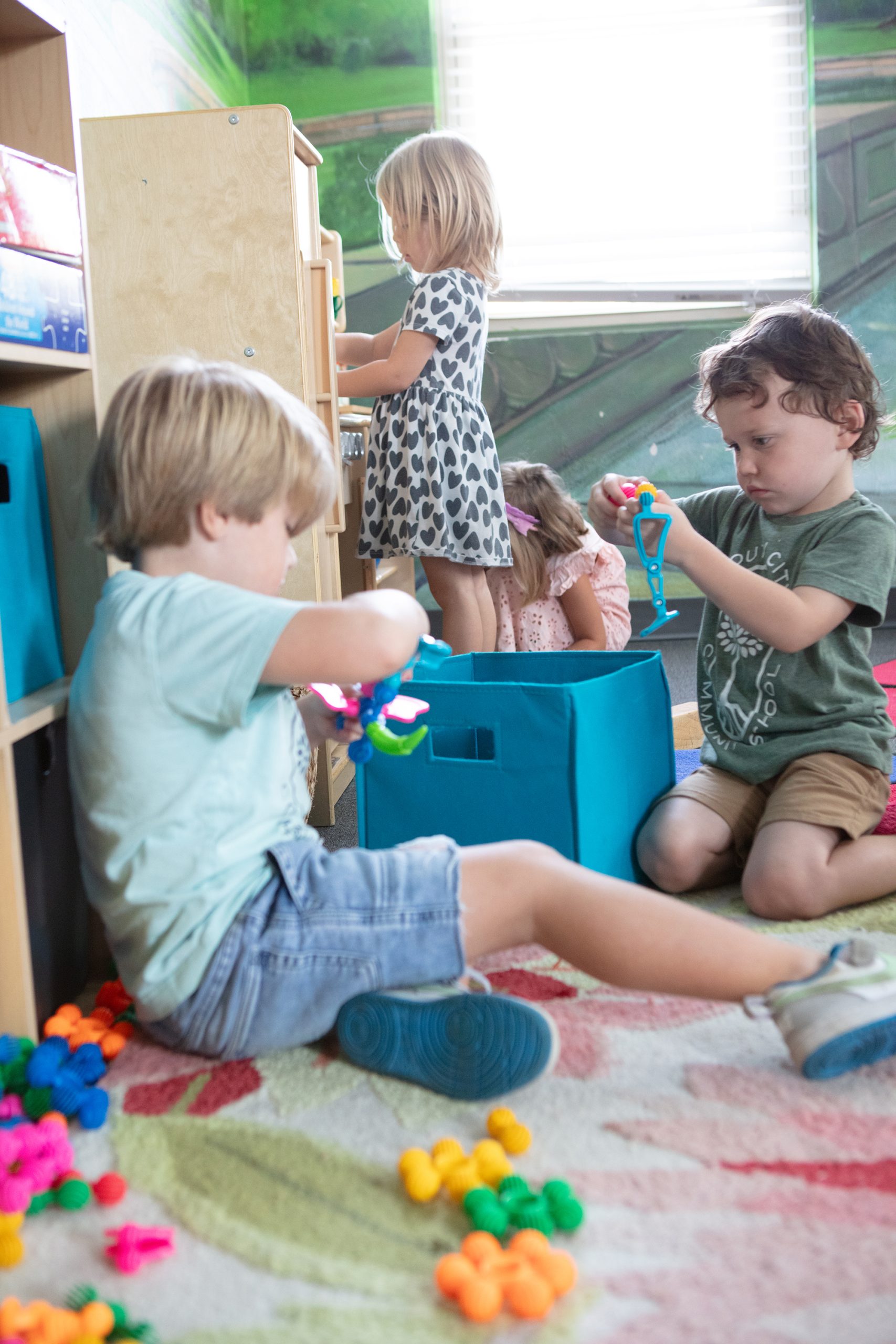
School breaks are a time for (hopefully) sleeping in, creating family memories, and having a slower pace. However, they might also bring concerns for parents like, “How do I help my child retain what they’ve learned so they don’t feel “lost” when returning back to school?” For young children, the transition back to school can feel overwhelming for many reasons, while older students may experience a fear of forgetting recently mastered concepts. Here are some age-appropriate strategies to help your child ease back into school after a break and keep the love of learning alive. 1. Acknowledge the Challenges of Returning to School Returning to the school routine can feel jarring for younger children, and their emotions can range from excitement to anxiety. This feeling is completely normal and age-appropriate.… Read More